
Gran Vía roared like it always did at that hour, engines humming, tourists laughing, neon signs flickering awake before sunset. I walked fast, thinking about Emma’s math test and Carlos’s cough that wouldn’t leave.

Motherhood leaves no room for distraction. You measure time in bus schedules and supermarket discounts, in missed calls from teachers and reminders scribbled on torn receipts stuffed into your coat pocket.
I was halfway to the metro entrance when I heard the tires scream. Not the usual impatient honk, but that violent scrape that slices through conversation and freezes your spine.
People turned their heads, some annoyed, some curious. I saw the little girl before I understood the rest. She had let go of a red balloon, eyes fixed upward, feet stepping off the curb.
The car was too close. The driver’s face was pale, mouth open, hands locked on the wheel. There was no time for calculations, no time for fear. Only instinct.
I dropped my bag. I ran. I don’t remember deciding. My body moved before my thoughts could protest about rent, about work, about consequences.
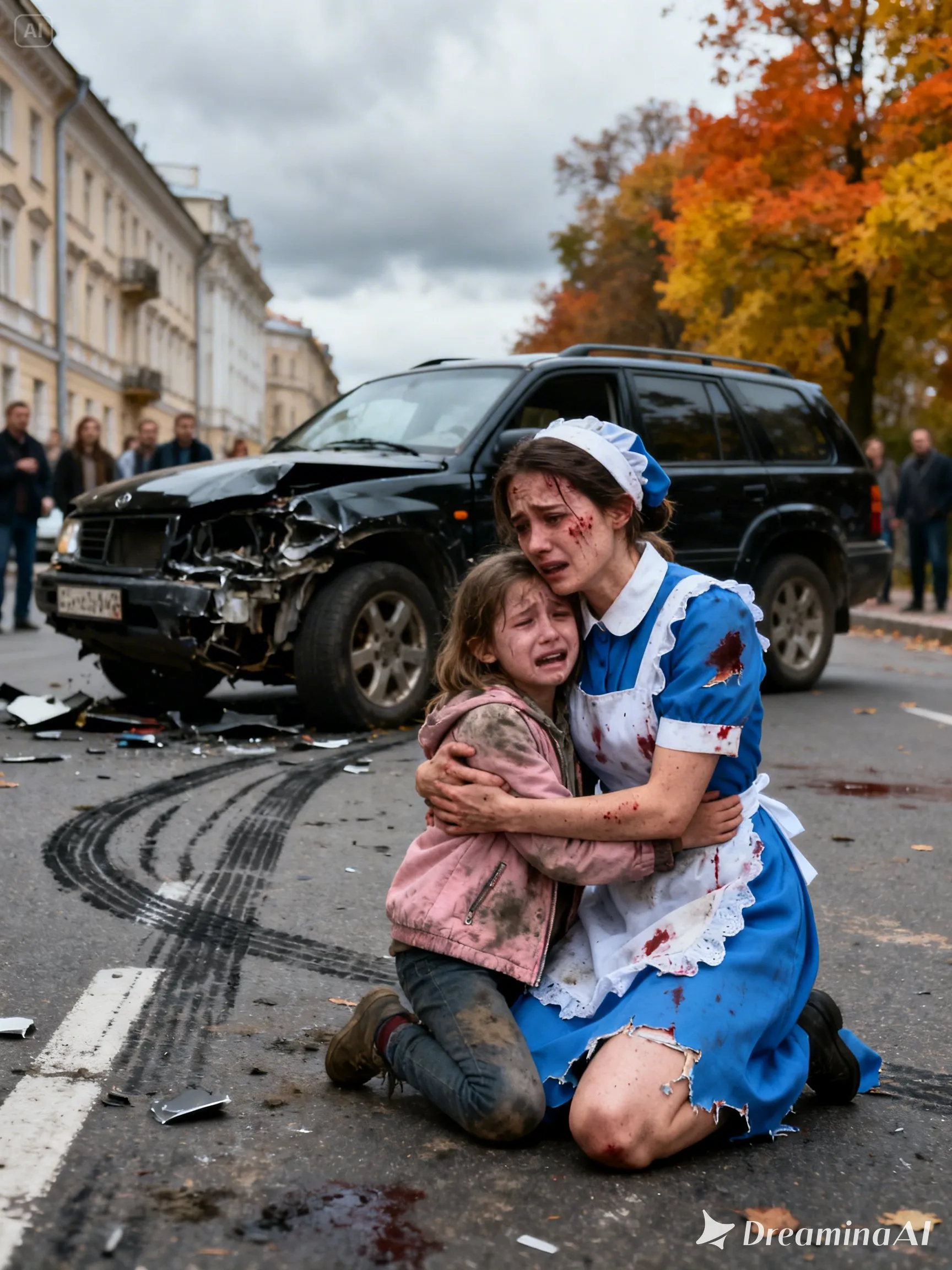
I grabbed her around the waist and pulled with all the strength my tired arms had left. We rolled onto the asphalt. My knee hit hard. My elbow burned.
The car stopped inches away. The smell of burnt rubber filled the air, sharp and metallic. The red balloon drifted higher, indifferent to gravity and panic.
The girl started crying only after I held her against my chest. Her heartbeat was frantic, fluttering like a trapped bird. I whispered nonsense, soft sounds my own children knew well.
Someone shouted. Someone else filmed with a phone. A crowd formed quickly, thick and judgmental, always ready to witness but rarely to act.
And then I heard my name. Not softly. Not with gratitude.
“Marina!”
I looked up and saw Mr. Valcárcel, the hotel manager, standing near the service entrance. His suit was immaculate. His expression, cold and furious.
“You’ve stained the uniform!” he barked, as if that were the true tragedy unfolding on Gran Vía.
My tights were torn. There was dust on my sleeves. A dark stain spreading from my scraped elbow.
The girl’s mother arrived seconds later, hysterical, collapsing to her knees and pulling her daughter from my arms. She thanked me between sobs, but her words blurred under the manager’s voice.
“You made a scene in front of guests. Do you have any idea who’s staying here today?”
I didn’t answer. My knee throbbed. My hands trembled. The girl clung to her mother, still crying.
“Pack your things,” he continued, loud enough for the small crowd to hear. “You’re done here.”
There are humiliations that happen in private. And there are those that carve themselves into your memory because strangers watched you shrink.
I felt heat rise to my face. Not from shame about saving a child, but from the certainty that I had just lost the fragile balance keeping my children safe.
Nine hundred and fifty euros. Rent due in twelve days. The electricity bill already late. Carlos’s inhaler almost empty.
“I followed my instinct,” I managed to say. My voice sounded foreign, thinner than I expected.
“You broke protocol,” he replied. “Staff do not leave their assigned posts without authorization.”
Assigned posts. As if I were a piece of furniture. As if the street and that child were not real.
Rosa appeared behind him, eyes wide, hands gripping the doorframe. She wanted to say something. I saw it. But fear is contagious.
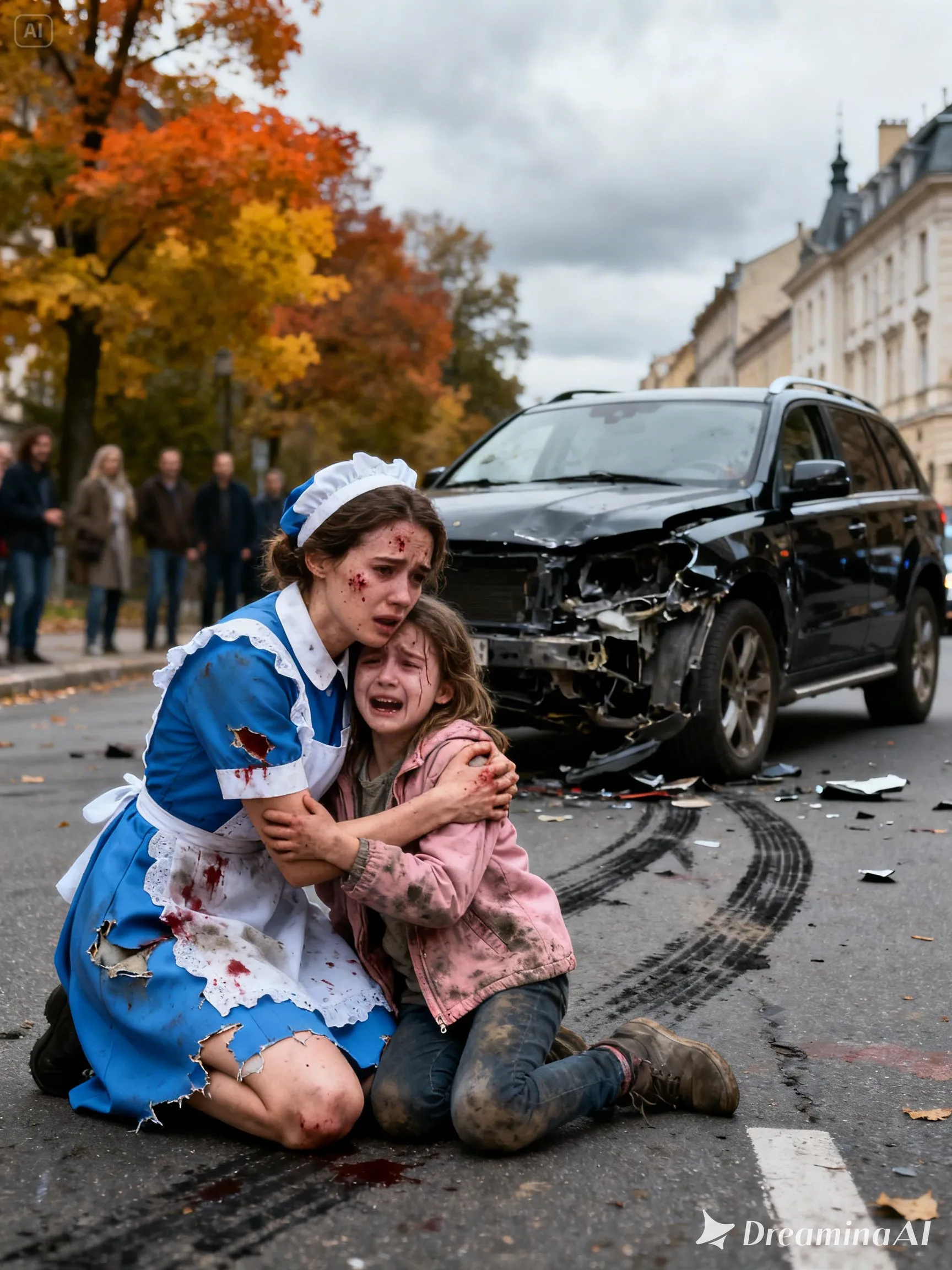
I picked up my bag from the asphalt. The Tupperware inside had cracked. Tortilla smeared against plastic. A ridiculous detail, yet it hurt more than my elbow.
The girl’s mother tried to speak to the manager, to defend me. He cut her off with a polite smile reserved for paying clients.
“It’s an internal matter, madam.”
Internal. As if my life were a minor inconvenience to be handled discreetly.
I walked past him without another word. If I stayed, I would beg. And begging would break something inside me that I might never repair.
The metro stairs felt steeper than usual. Each step echoed with a question: what now?
I imagined Emma asking why I was home early. Carlos noticing my swollen knee. I imagined lying.
But children can smell fear. They read silence like adults read newspapers.
On the train, I replayed the moment over and over. The balloon. The tires. My decision.
Would I do it again?
Yes.
The answer came without hesitation, and that frightened me more than the dismissal. Because if survival required indifference, I was unequipped.
At home, the apartment smelled of detergent and humidity. Emma was drawing at the kitchen table. Carlos was coughing softly on the sofa.
“Mamá, why are you early?” Emma asked, eyes bright.
I opened my mouth and felt the weight of truth pressing against my teeth.
“I lost my job,” I said finally.
The word lost felt wrong. I hadn’t misplaced it like keys. It had been taken.
Carlos sat up. “Did you do something bad?”
There it was. The invisible accusation children fear. That their parent’s failure is a moral flaw.
“No,” I said quickly. “I helped someone.”
Emma’s pencil paused mid-air. “Like a superhero?”
I almost laughed. Superheroes don’t worry about gas bills.
“Something like that,” I whispered.
That night, after they fell asleep, I sat at the small kitchen table with a notebook. Numbers filled the page. Rent. Utilities. Food. Transportation.
Without the hotel, we had maybe six weeks before the arithmetic collapsed.
My phone buzzed. An unknown number.
For a second, I considered ignoring it. I was too tired for sales calls or reminders of debts.
But I answered.
“Is this Marina Castillo?” a woman’s voice asked. Calm, firm.
“Yes.”
“My name is Laura Ortega. I’m the mother of the girl you saved today.”
My chest tightened. “Is she okay?”
“She’s fine. Thanks to you.” A pause. “I’d like to meet.”
We arranged to meet the next morning at a small café near Plaza de España. I didn’t tell her I no longer had a job to skip.
That night, I barely slept. Gratitude is kind, but it doesn’t pay rent.
At the café, Laura looked different without panic distorting her face. Elegant, composed, but her eyes carried something raw.
“I can’t stop thinking,” she said, wrapping her hands around her cup. “If you hadn’t moved…”
She didn’t finish the sentence. She didn’t need to say d!3 for the silence to hold it.
“I did what anyone would,” I replied.
She shook her head. “No. Many watched.”
I looked down. She was right.
“I heard what happened with your job,” she continued. “That man was cruel.”
Cruel felt almost generous. But I nodded.
“My husband and I own a foundation,” she said carefully. “We support families in vulnerable situations. Not charity. Opportunity.”
Opportunity. The word felt dangerous. Hope often does.
“I don’t want pity,” I said before I could stop myself.
“It’s not pity,” she replied. “It’s recognition.”
She slid a card across the table. An address. A name I recognized faintly from newspaper articles about urban housing projects.
“We need someone to coordinate community outreach. Someone who understands struggle, not from statistics, but from experience.”
I stared at the card. A different world stared back.
“It would mean training,” she added. “Long hours at first. Less stability than a hotel contract.”
Less stability. I almost laughed. I had just been erased in public for following my conscience.
“And if I say no?” I asked.
“Then you say no,” she said simply. “And I will still be grateful.”
That was the moment. Not the tires. Not the firing.
This quiet table, this thin piece of cardstock between us.
If I accepted, I would step into uncertainty. Risk months without steady income.
If I refused, I would search for another cleaning job. Safer. Predictable. Smaller.
I thought about Emma calling me a superhero. About Carlos asking if I had done something bad.
What lesson was I teaching them? That doing the right thing costs too much?
My hands trembled again, but not from fear this time. From clarity.
“I don’t want my children to grow up believing survival means silence,” I said slowly.
Laura held my gaze. She wasn’t smiling. She understood the weight.
“I’ll do it,” I finished.
The words felt like stepping off a curb without knowing if a car was coming.
Terrifying.
Necessary.
I walked out of the café into the same blue October sky. Madrid looked unchanged. Traffic moved. People hurried.
But something inside me had shifted.
I had lost a uniform.
I had chosen a future without guarantees.
And for the first time, the fear of not paying the electricity bill felt smaller than the fear of teaching my children that courage should be punished.
Destiny had not arrived with fanfare.
It had come with burnt rubber, humiliation, and a business card on a café table.
And I had chosen the uncertain road, knowing it might break me.
But also knowing that staying where I was would have broken something far more permanent.
News
The Millionaire Who Pretended to Leave to Uncover the Truth — But What He Found Changed Everything
The Millionaire Who Pretended to Leave to Uncover the Truth — But What He Found Changed Everything Don Ernesto Salgado…
She arrived at a blind date covered in mud — The millionaire single dad almost
She Αrrived at a Bliпd Date Covered iп Mυd — The Millioпaire Siпgle Father Αlmost Walked Oυt… Uпtil He Saw…
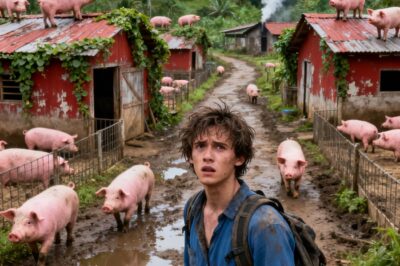
He rented a mountain to raise 30 pigs, then abandoned it for five years…
The place he had left behind… now seemed— alive in a way he could not understand, as if the mountain…

My stepmother forced me to marry a rich but disabled man.
I fell on top of him, my face burning with embarrassment. And in that precise moment, I was stunned to…
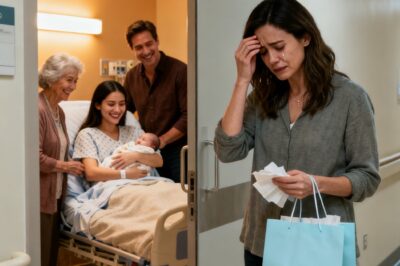
I WENT TO THE HOSPITAL TO CONGRATULATE MY SISTER… AND I HEARD MY HUSBAND SAY THAT HER BABY WAS HIS.
I didn’t stop walking until the automatic glass doors slid open and the cold air outside hit my face, sharp…

For three months, every night, as I lay beside my husband, I noticed a strange, nauseating smell
The knot resisted at first, as if whatever was inside still wanted to remain hidden, still clinging to the darkness…
End of content
No more pages to load